Peak Rewind
$299 AUD
Details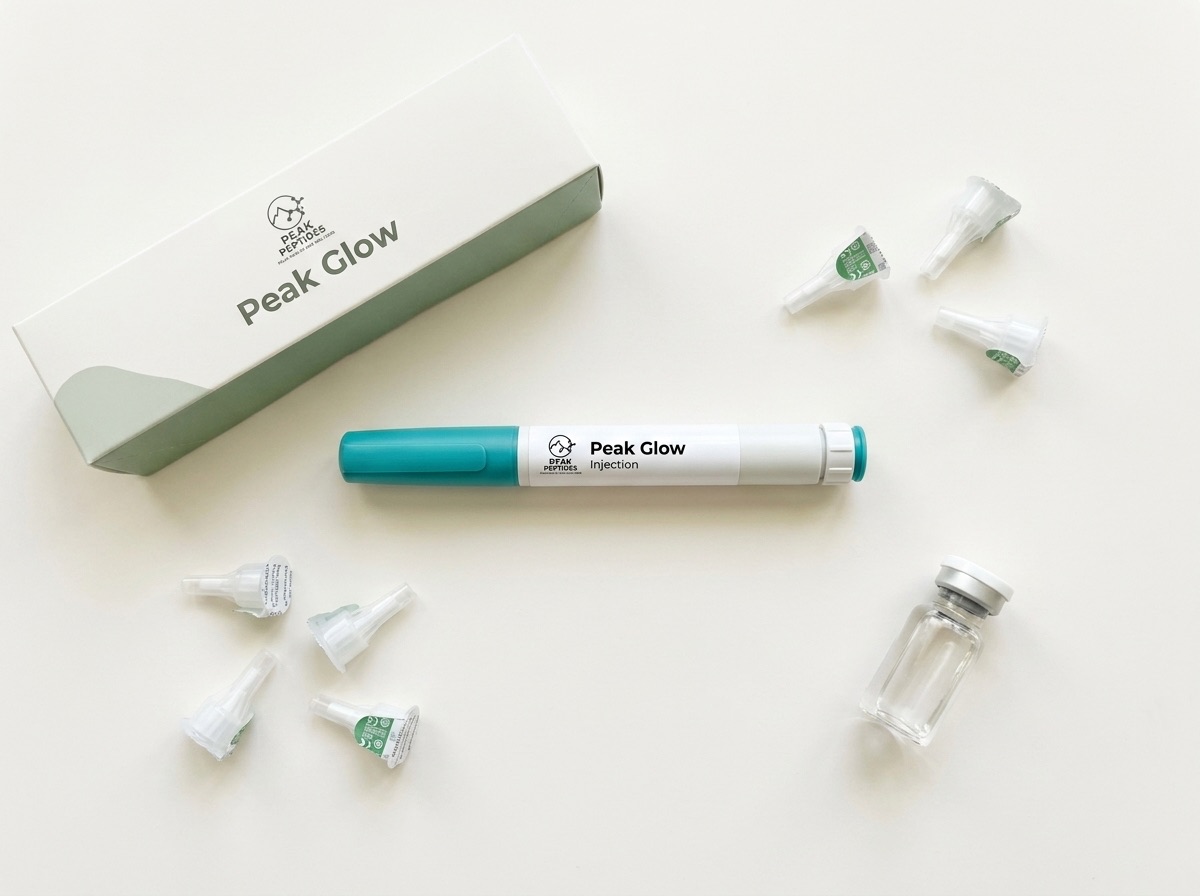
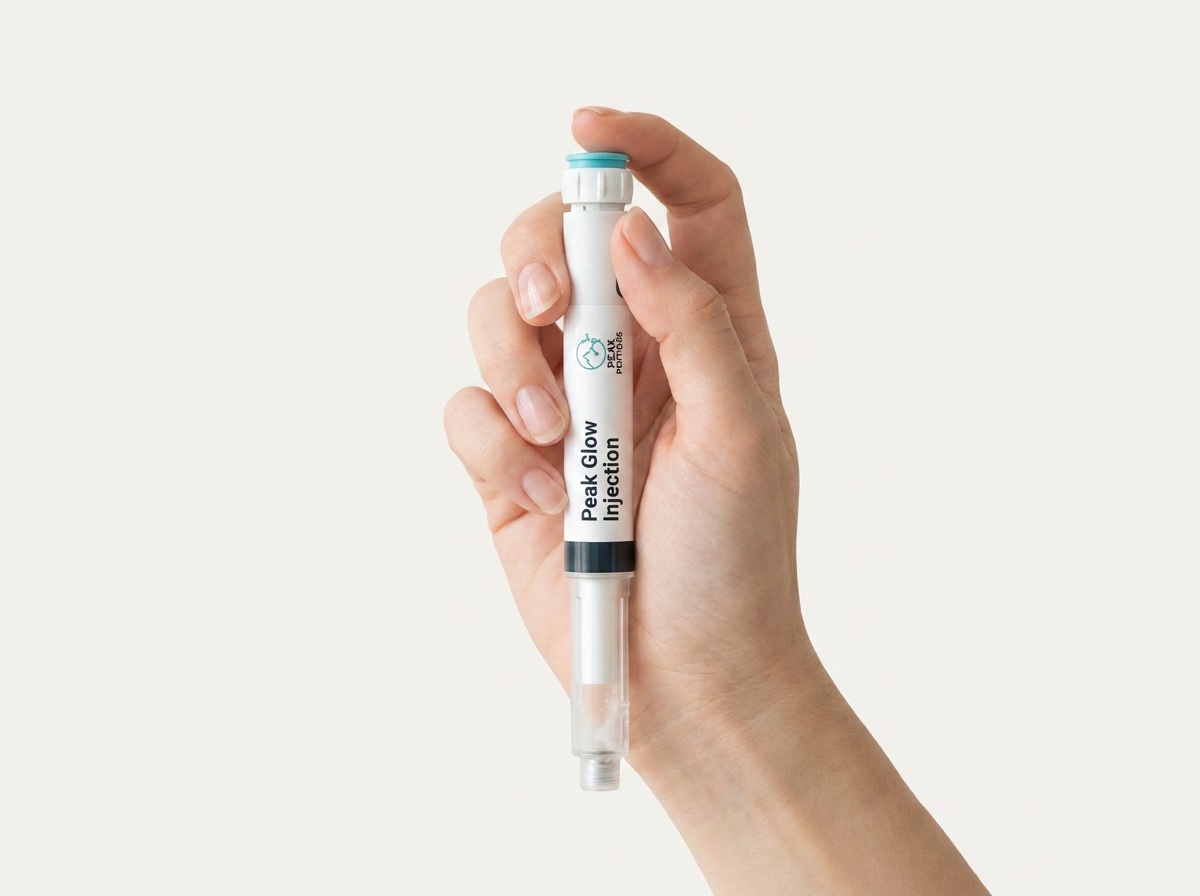
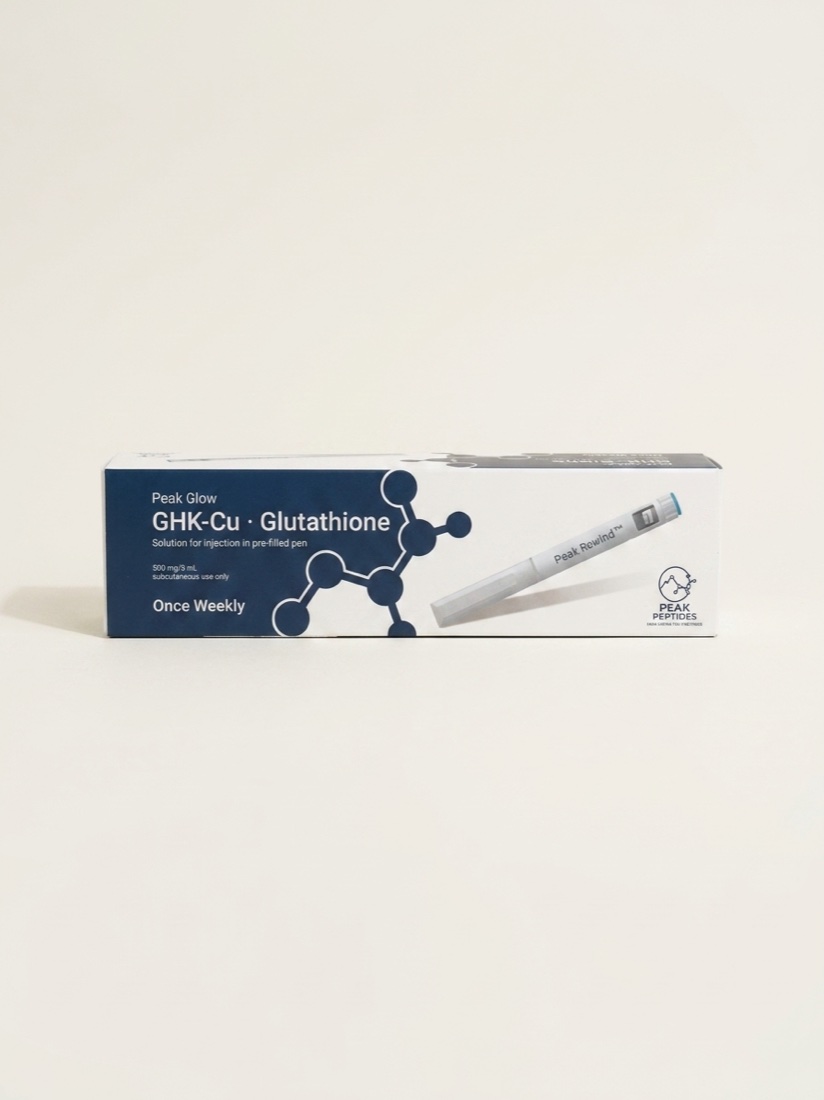
GHK-Cu · Collagen Peptides
Skin repair at the structural level — not the surface.
30-day full guarantee. Notice a difference or it's free — no return required.
Mechanism
Step 01
GHK-Cu
GHK-Cu (Glycyl-L-Histidyl-L-Lysine · Copper) is a naturally occurring tripeptide found in human plasma that declines significantly with age. It activates over 4,000 human genes involved in skin repair and regeneration — including the genes that produce collagen I, III, IV, elastin, and fibronectin. It simultaneously suppresses the genes driving inflammation and tissue breakdown. This isn't a topical moisturiser — it's a systemic gene expression signal that instructs skin cells to rebuild.
Step 02
Collagen Peptides
Collagen peptides provide the amino acid substrate — particularly hydroxyproline and glycine — that fibroblasts use to synthesise new collagen fibres. GHK-Cu signals the fibroblasts to produce collagen; the collagen peptides ensure the raw material is available. Without the substrate, the signal is incomplete. Together, they address both the instruction and the supply chain of dermal repair.
Step 03
Antioxidant Defence
GHK-Cu is a potent antioxidant in its own right — it chelates free copper ions that would otherwise catalyse oxidative damage, and upregulates the expression of superoxide dismutase and catalase, the body's primary antioxidant enzymes. Skin aging is partly a story of accumulated oxidative damage outpacing repair. GHK-Cu addresses both sides of that equation simultaneously: more repair, less damage.
The Evidence
These findings describe peer-reviewed research on GHK-Cu · Collagen Peptides — the active compound in Peak Glow. Claims are about the compound, not our formulation.
Pickart & Margolina · Biomedicines 2018 · GHK-Cu Comprehensive Review
"GHK-Cu application to human fibroblasts in culture increased collagen synthesis by approximately 70% compared to untreated controls. Subsequent clinical studies in aging human skin confirmed significant improvements in skin density, firmness, and reduction of fine lines — with the effect building over 12 weeks of consistent administration."
GHK-Cu was first identified in human plasma in 1973 by Loren Pickart — the same researcher who published this 2018 review. It is found in skin, saliva, and urine and declines from approximately 200 ng/mL in young adults to undetectable levels in many adults over 60. The decline correlates directly with the deterioration in the skin's self-repair capacity.
Proksch et al. · Skin Pharmacology and Physiology 2014 · Collagen Peptide RCT
"In a randomised controlled trial, daily collagen peptide supplementation over 8 weeks resulted in statistically significant improvements in skin elasticity (+7%), skin moisture (+28.2%), and skin roughness (-9%) versus placebo. Improvements were sustained through the 4-week follow-up after cessation."
The Proksch RCT is the most widely cited human clinical trial on collagen peptides — N=69 women aged 35–55, double-blind, placebo-controlled. The mechanism is supply: fibroblasts can only produce as much new collagen as the available amino acid substrate allows.
The Product
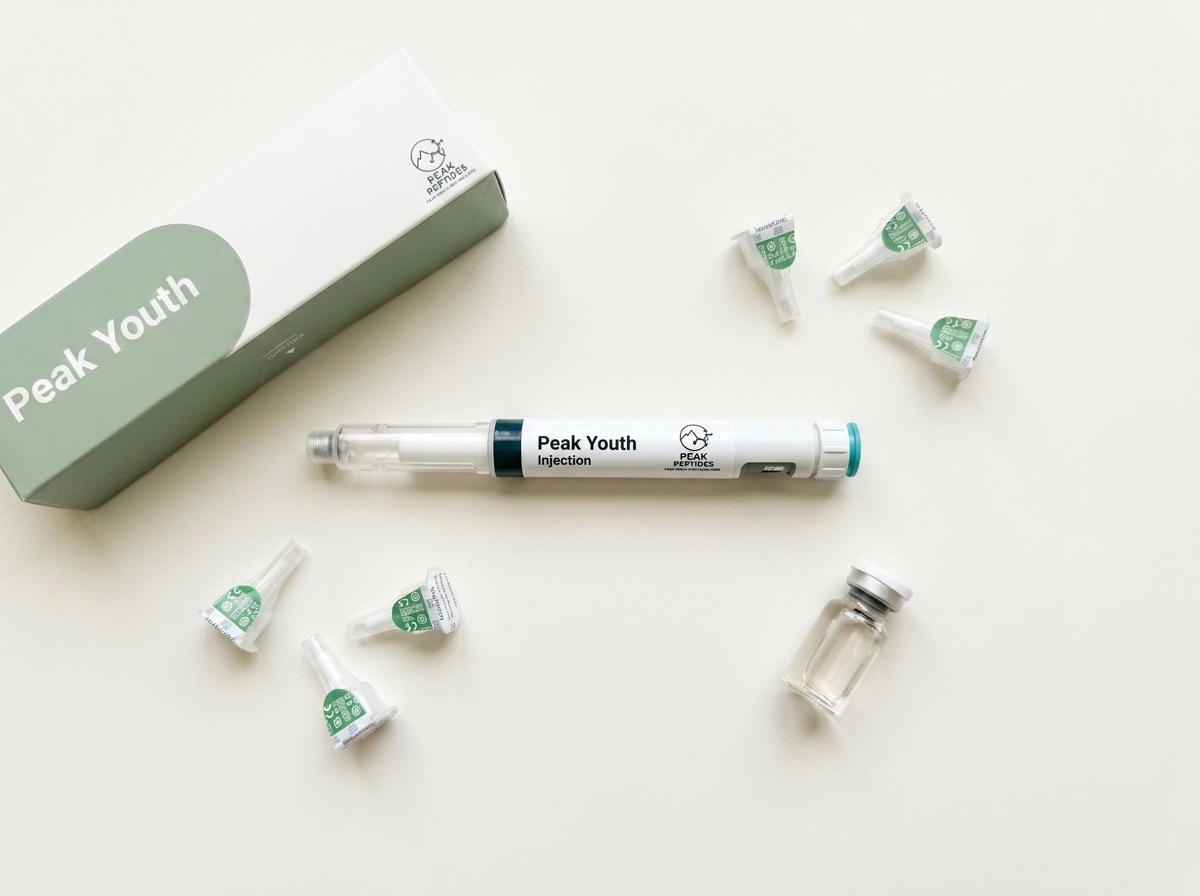
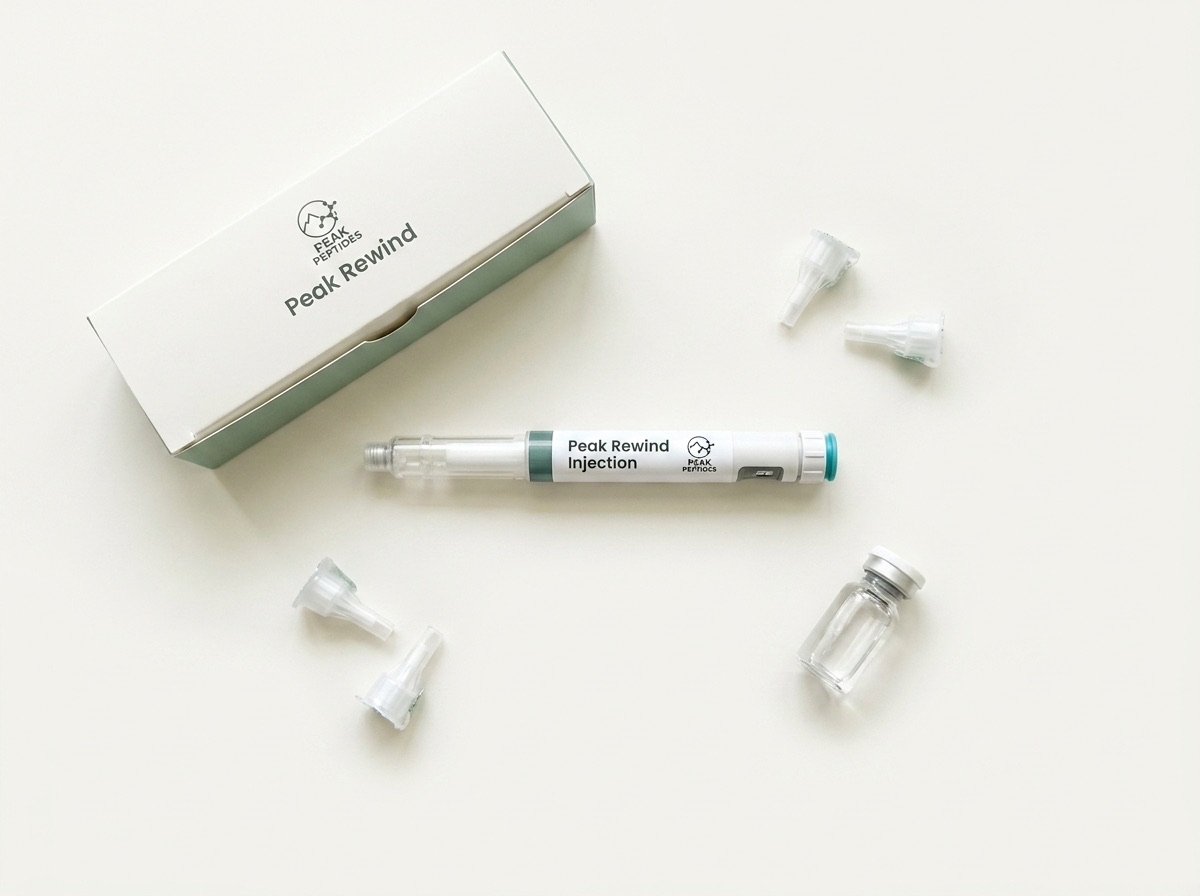
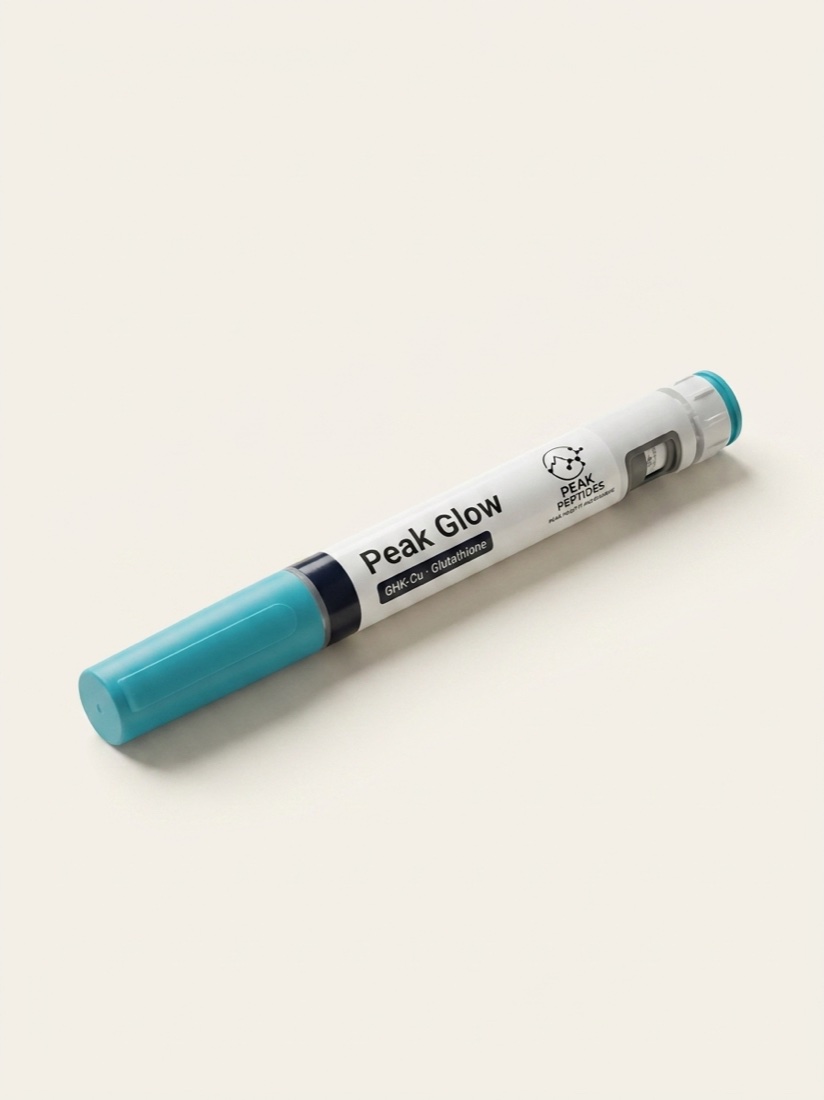
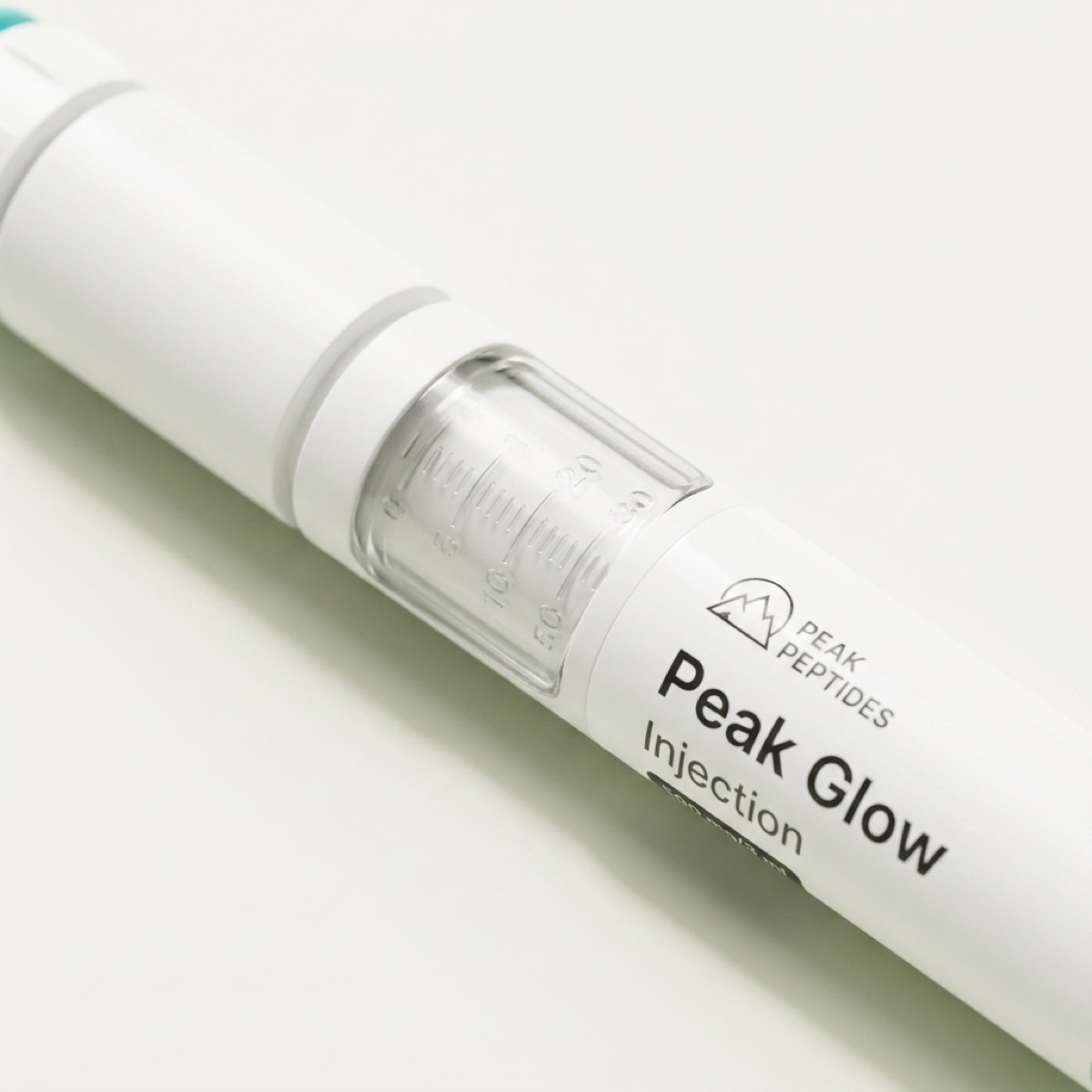
Your Peak Glow pen, a 30-day supply of single-use needle tips, and bacteriostatic water for reconstitution — one discreet, unbranded box.
Questions
Topical GHK-Cu products exist and some have good clinical data for surface-level effects. The limitation is penetration depth — the stratum corneum limits how far topically applied GHK-Cu reaches the dermis. Subcutaneous administration bypasses this entirely, delivering GHK-Cu directly to the dermal fibroblasts where it signals collagen synthesis. This is why the 70% collagen increase figure comes from studies using systemic administration, not topical — the route of delivery determines the depth of effect.
Texture improvement is typically the first signal — smoother skin, reduced pore appearance — within 2–3 weeks. Structural improvement (firmness, fine line reduction) builds through weeks 4–12. Skin turnover takes 28+ days in adults over 40, so the visible improvement follows the cellular repair by several weeks. The 12-week mark is where most users report the most significant visible change.
Yes. Wolverine contains GHK-Cu at concentrations optimised for connective tissue repair — tendons, ligaments, and joint structures. Glow delivers GHK-Cu at a formulation and dose calibrated for dermal collagen synthesis. The applications are different, and additive use is common. Many users running Wolverine for recovery add Glow for the dermal effect — the same mechanism, different target tissue.
GHK-Cu has an excellent safety profile — it is a naturally occurring peptide found in human plasma, saliva, and urine. No toxicity has been observed in any published study at doses used for skin repair. Collagen peptides similarly have no documented adverse effects. Some users report mild, transient injection-site reactions (redness, minor swelling) that resolve within 24 hours.
30-day full refund, no return required. Skin texture improvement is typically visible at 3–4 weeks — that's within your guarantee window. If you don't notice a difference in skin texture, smoothness, or firmness within 30 days, we return your $299.
Ships as lyophilised powder in a sterile vial. Reconstitute with bacteriostatic water using a fresh syringe and needle. Administer via subcutaneous injection — the lower abdomen or flank is the most common site. Rotate injection sites session to session. Ships stable at ambient temperature; refrigerate on arrival and use reconstituted solution within 21–28 days.
Standard workplace and roadside drug screens test for recreational substances and common medications — peptides will not appear on these screens. If you compete in a WADA-sanctioned sport, verify the current prohibited list at wada-ama.org before use, as regulations update annually. We recommend confirming with your sport's governing body before any sanctioned competition.