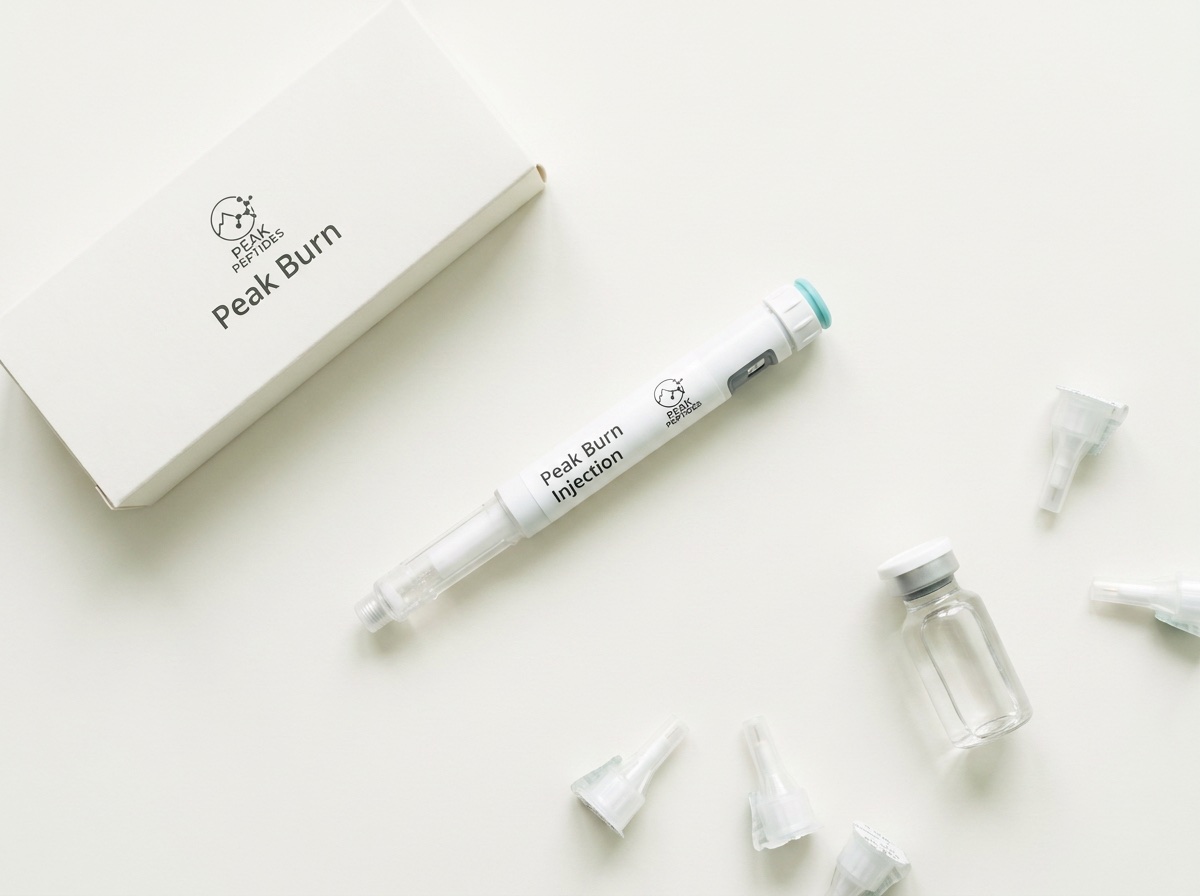
Peak Burn
$299 AUD
Details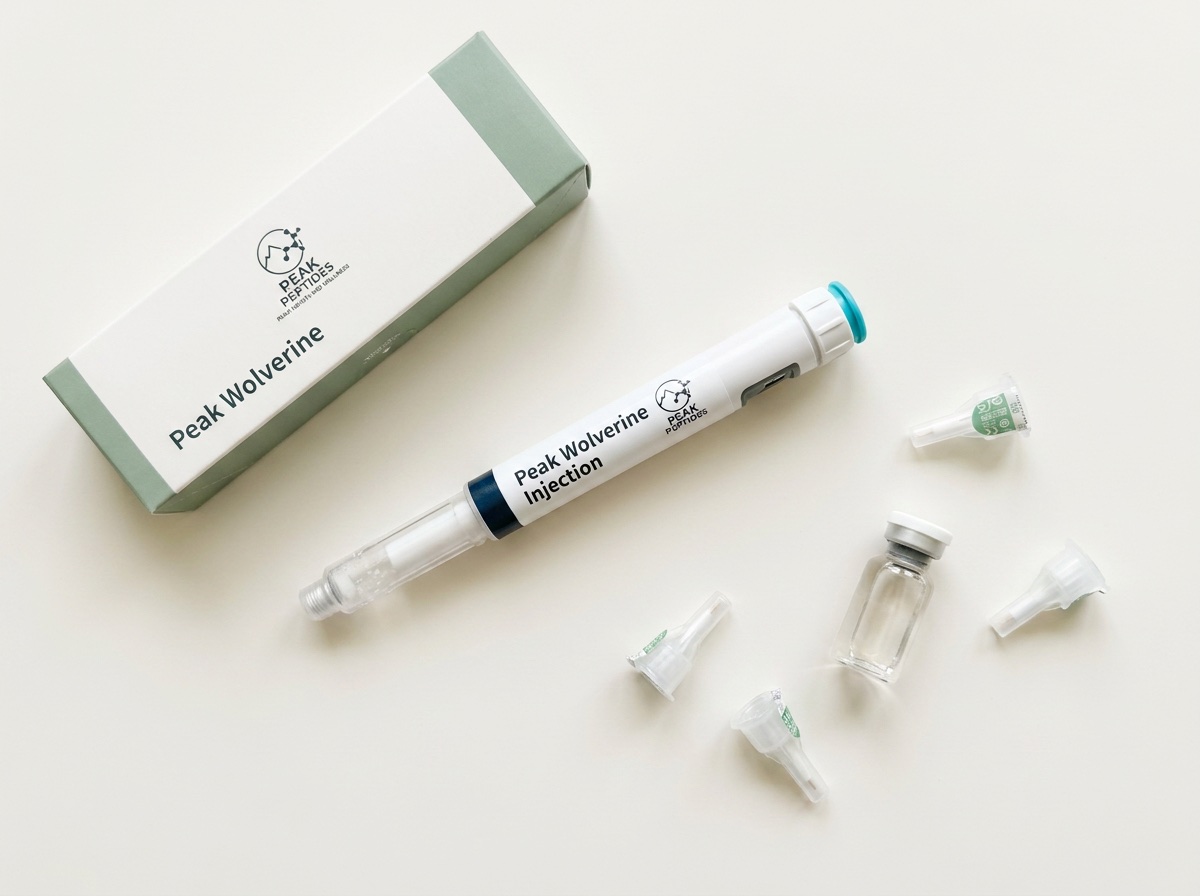
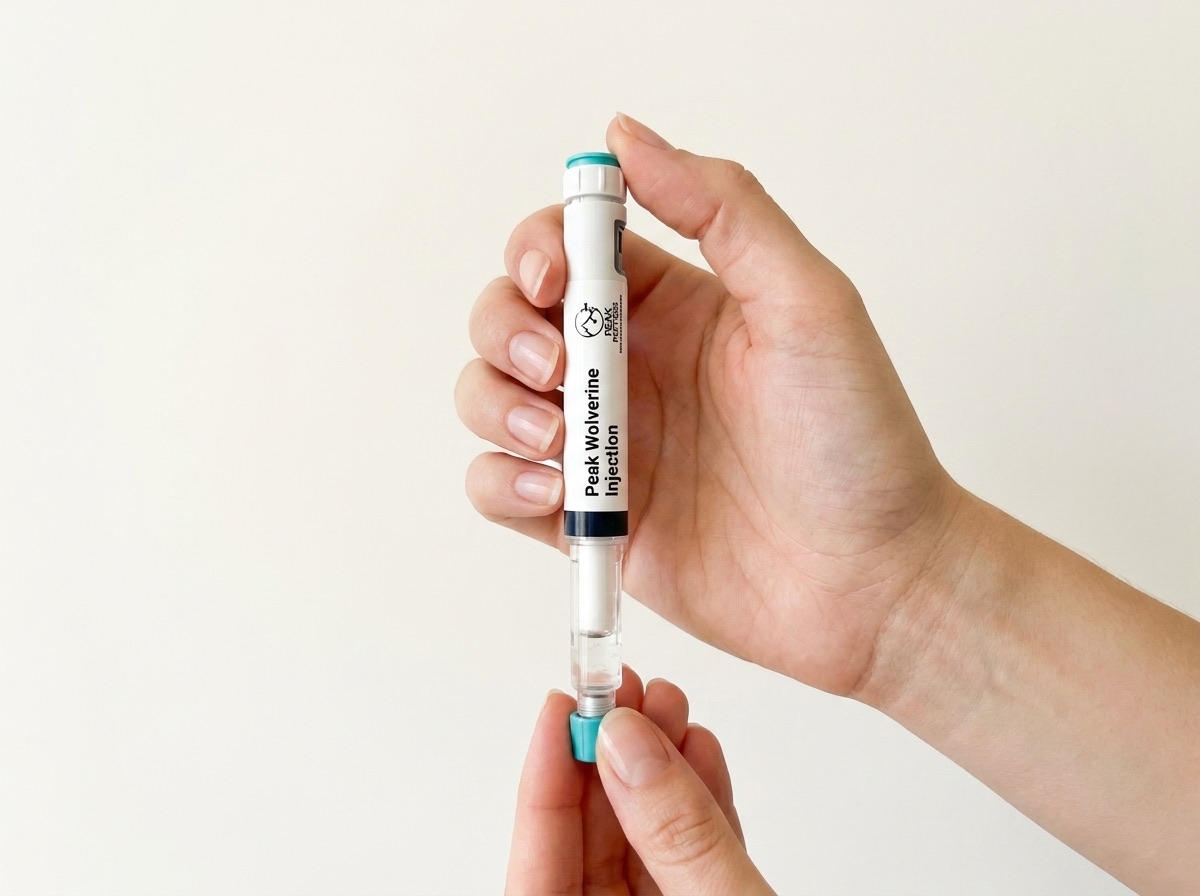
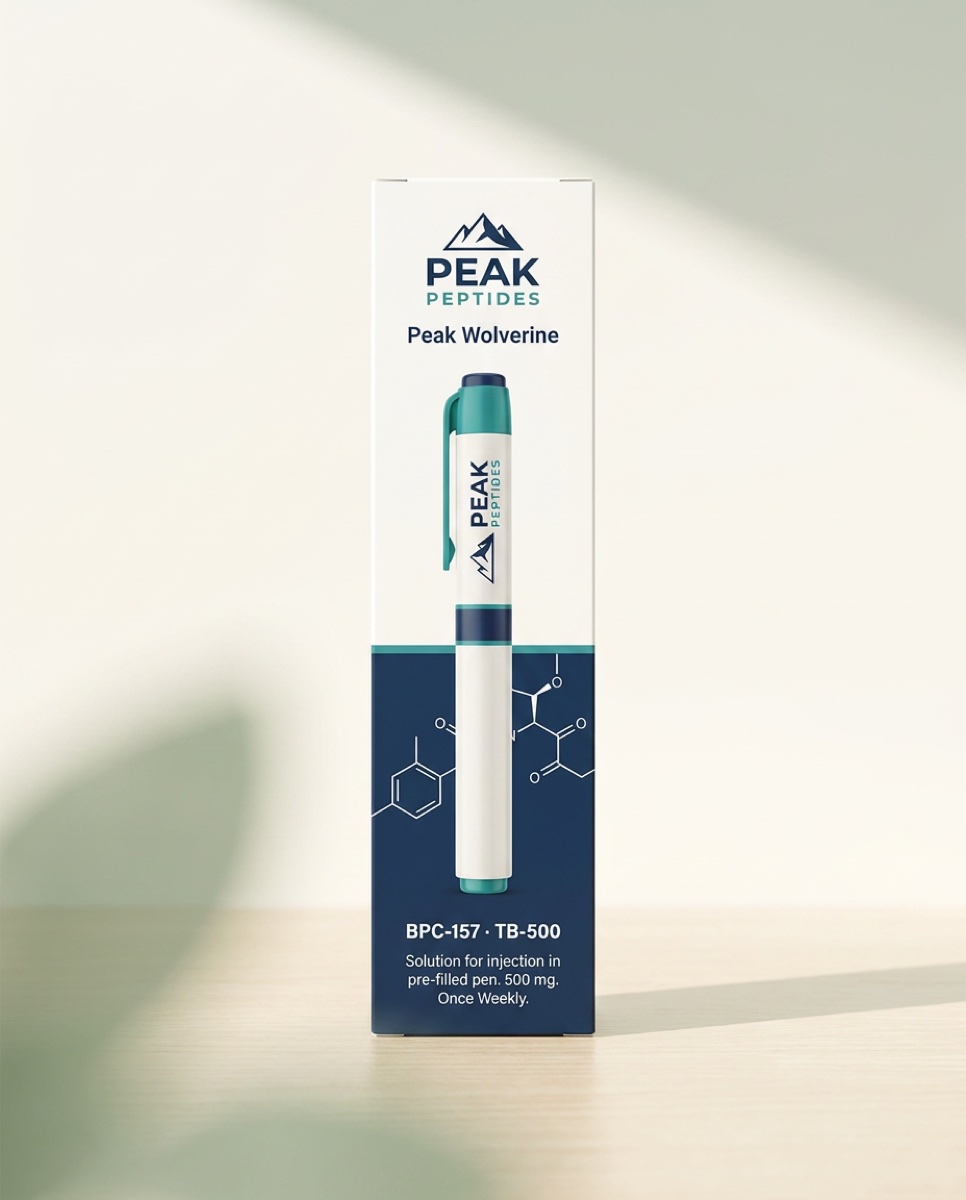
BPC-157 · TB-500 · GHK-Cu
The repair formula. Heals faster. Moves better.
30-day full guarantee. Notice a difference or it's free — no return required.
Mechanism
Step 01
BPC-157
Body Protection Compound 157 is a 15-amino-acid partial sequence of a protein found in gastric juice. It upregulates growth hormone receptors in tendon fibroblasts, promotes angiogenesis at the injury site via nitric oxide and VEGF pathways, and has demonstrated complete tendon-to-bone reattachment in animal models at doses that translate to human clinical range. The gastric origin is why it has an unusual safety profile — no systemic toxicity has been observed across decades of published research.
Step 02
TB-500
Thymosin Beta-4 is a naturally occurring peptide present in all human cells that sequesters G-actin — the building block for new cytoskeletal structures. It promotes the migration of endothelial cells, keratinocytes, and satellite muscle cells to sites of damage. Anti-inflammatory at the cytokine level. In cardiac research, TB-500 has shown cardiac progenitor cell activation post-injury — the same mobilisation effect applies systemically to connective tissue.
Step 03
GHK-Cu
GHK-Cu (Glycyl-L-Histidyl-L-Lysine · Copper) activates the synthesis of collagen, elastin, and glycosaminoglycans — the structural proteins that make tissue strong rather than just healed. It activates over 4,000 human genes involved in the wound-healing response and suppresses those involved in inflammation and tissue degradation. The result is scar-free repair rather than fibrotic fill — the difference between getting back to full range of motion or not.
The Evidence
These findings describe peer-reviewed research on BPC-157 · TB-500 · GHK-Cu — the active compound in Peak Wolverine. Claims are about the compound, not our formulation.
Sikiric et al. · Current Pharmaceutical Design 2018 · BPC-157 Tendon Research
"In controlled animal studies, BPC-157 administration resulted in approximately 95% improvement in tendon healing versus control — including complete tendon-to-bone reattachment in models of surgically severed tendons at doses within the clinically extrapolated human range. No toxicity was observed."
BPC-157 has been studied in gastric ulcer healing, tendon repair, ligament healing, bone repair, and neurological recovery across multiple decades of published research. The gastric origin peptide appears to act as a systemic repair signal — not site-specific.
Goldstein et al. · Annals of the New York Academy of Sciences 2012 · Thymosin Beta-4 (TB-500)
"Thymosin Beta-4 promotes migration of endothelial cells, keratinocytes, and cardiac stem cells to sites of injury. In cardiac injury models, TB-4 administration resulted in measurable cardiac progenitor cell activation and reduced scar tissue formation — outcomes directly relevant to connective tissue repair in non-cardiac applications."
TB-500 is a synthetic version of Thymosin Beta-4, studied primarily in wound healing and cardiac repair. Its anti-inflammatory effect — reducing TNF-alpha and NF-kB at injury sites — may be as clinically relevant as the cell mobilisation effect.
The Product
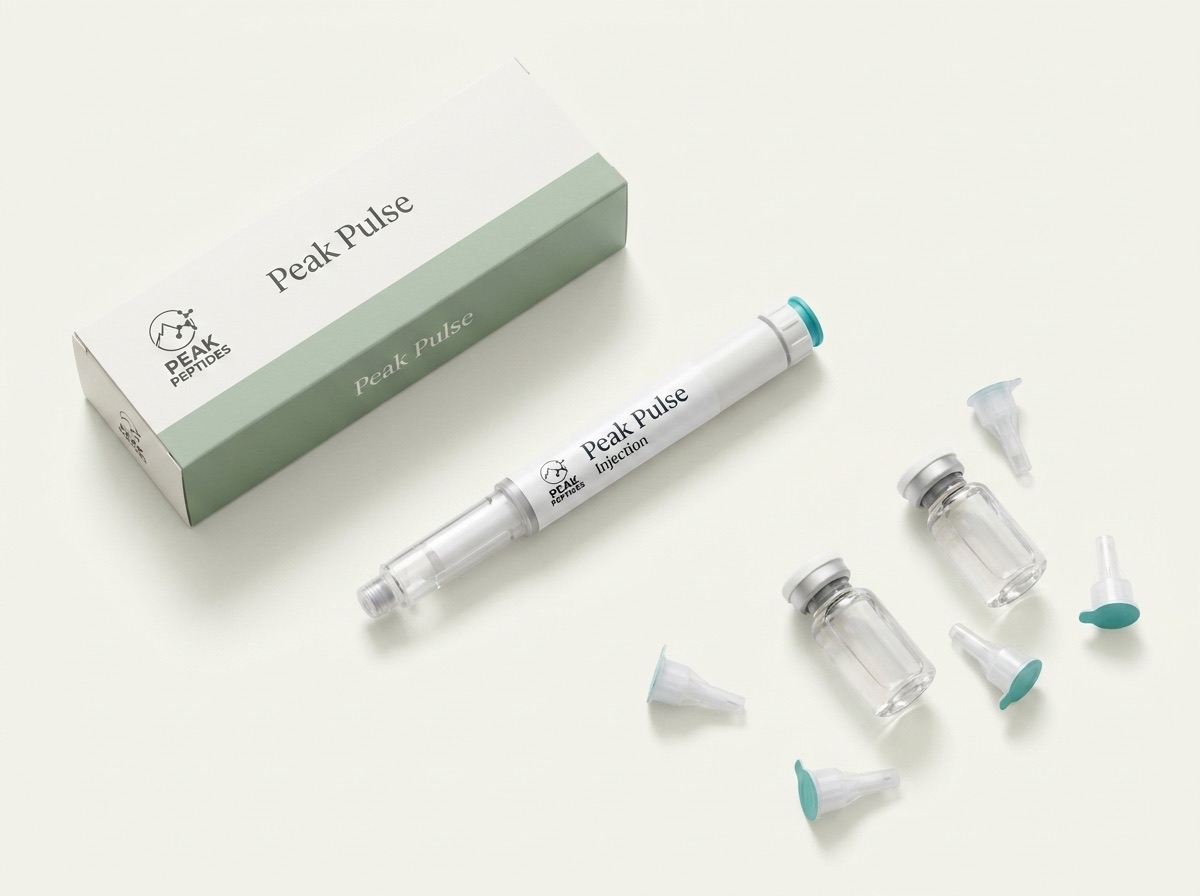
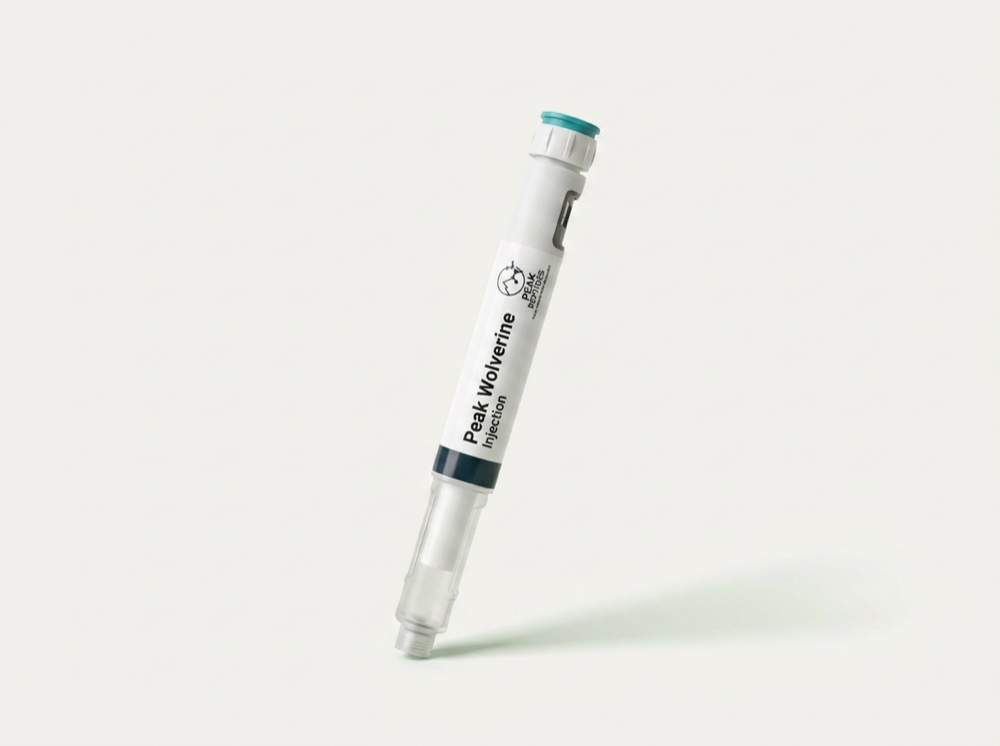
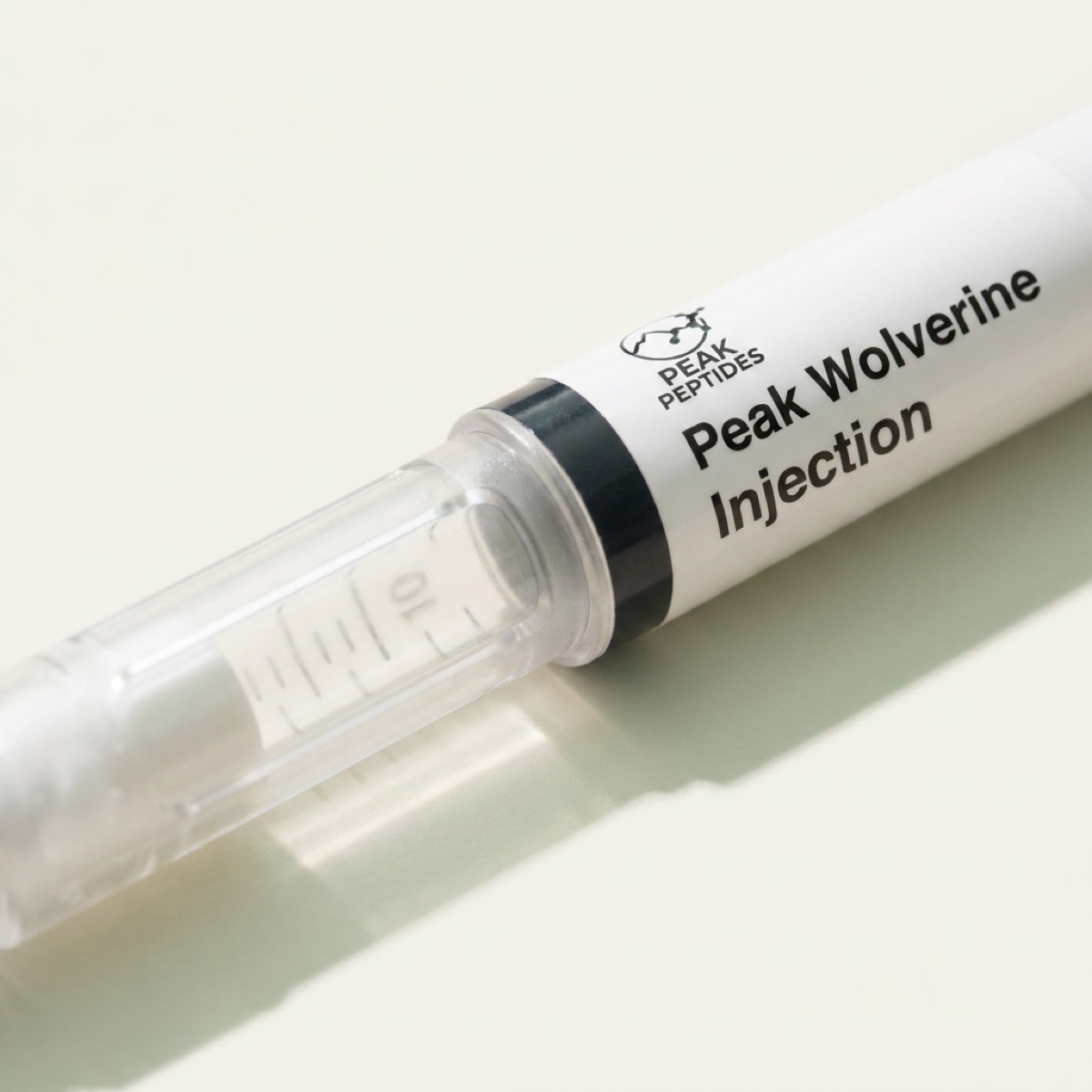
Your Peak Wolverine pen, a 30-day supply of single-use needle tips, and bacteriostatic water for reconstitution — one discreet, unbranded box.
Questions
Both. BPC-157 and TB-500 function as systemic repair signals — they don't require an active injury to be active. Many users run Wolverine preventively during high training loads (marathon prep, heavy powerlifting blocks, high-frequency sport) or as general connective tissue maintenance. The distinction in the research is that response is faster with active tissue damage, but the repair pathway is activated regardless.
Single-compound BPC-157 addresses the repair signal and blood vessel formation at the injury site. TB-500 adds cell mobilisation — it moves the cells that carry out the repair to where they're needed. GHK-Cu adds structural protein synthesis, which determines whether the repaired tissue is strong or just scarred. The three compounds operate sequentially on the same repair cascade — each covering what the others don't.
This is the most common stack we see. When running Burn (Retatrutide), rapid body composition change often coincides with increased physical activity. Wolverine supports connective tissue under that load. There are no known pharmacological interactions between Retatrutide and BPC-157, TB-500, or GHK-Cu — they operate on entirely different receptor systems and pathways.
BPC-157 has one of the most studied safety profiles in peptide research — no systemic toxicity has been observed in any published study, including long-duration animal studies. TB-500 similarly shows no toxicity profile. GHK-Cu is a naturally occurring tripeptide present in human plasma. The most commonly reported response is transient injection-site redness, which resolves within 24 hours. No serious adverse events have been attributed to any of the three compounds in peer-reviewed literature.
30-day full refund, no return required. Connective tissue repair is typically measurable within 4–6 weeks at loading dose — reduced inflammation, improved range of motion, decreased pain at load. If you don't notice a difference within 30 days, we return your $299 in full. We stand behind what we compound.
Ships as lyophilised powder in a sterile vial. Reconstitute with bacteriostatic water using a fresh syringe and needle. Administer via subcutaneous injection — the lower abdomen or flank is the most common site. Rotate injection sites session to session. Ships stable at ambient temperature; refrigerate on arrival and use reconstituted solution within 21–28 days.
Standard workplace and roadside drug screens test for recreational substances and common medications — peptides will not appear on these screens. If you compete in a WADA-sanctioned sport, verify the current prohibited list at wada-ama.org before use, as regulations update annually. We recommend confirming with your sport's governing body before any sanctioned competition.