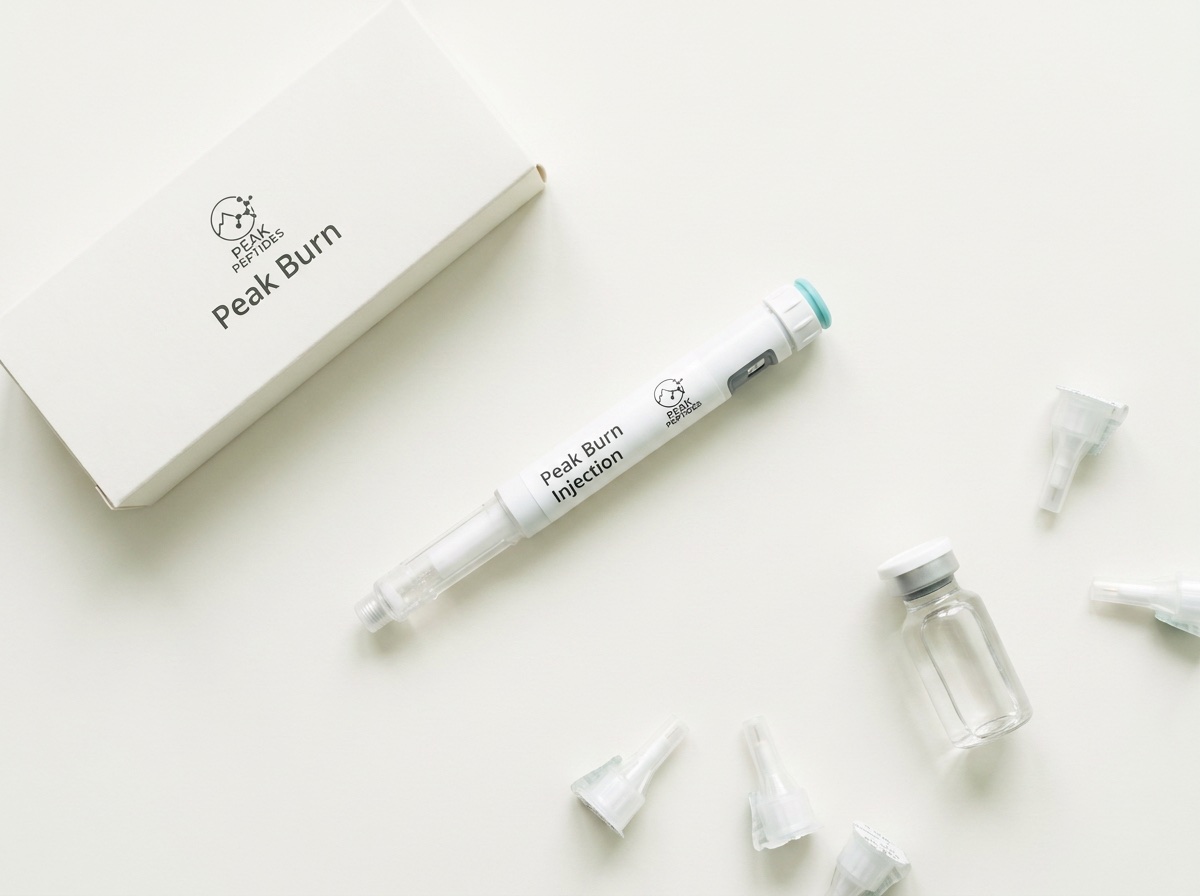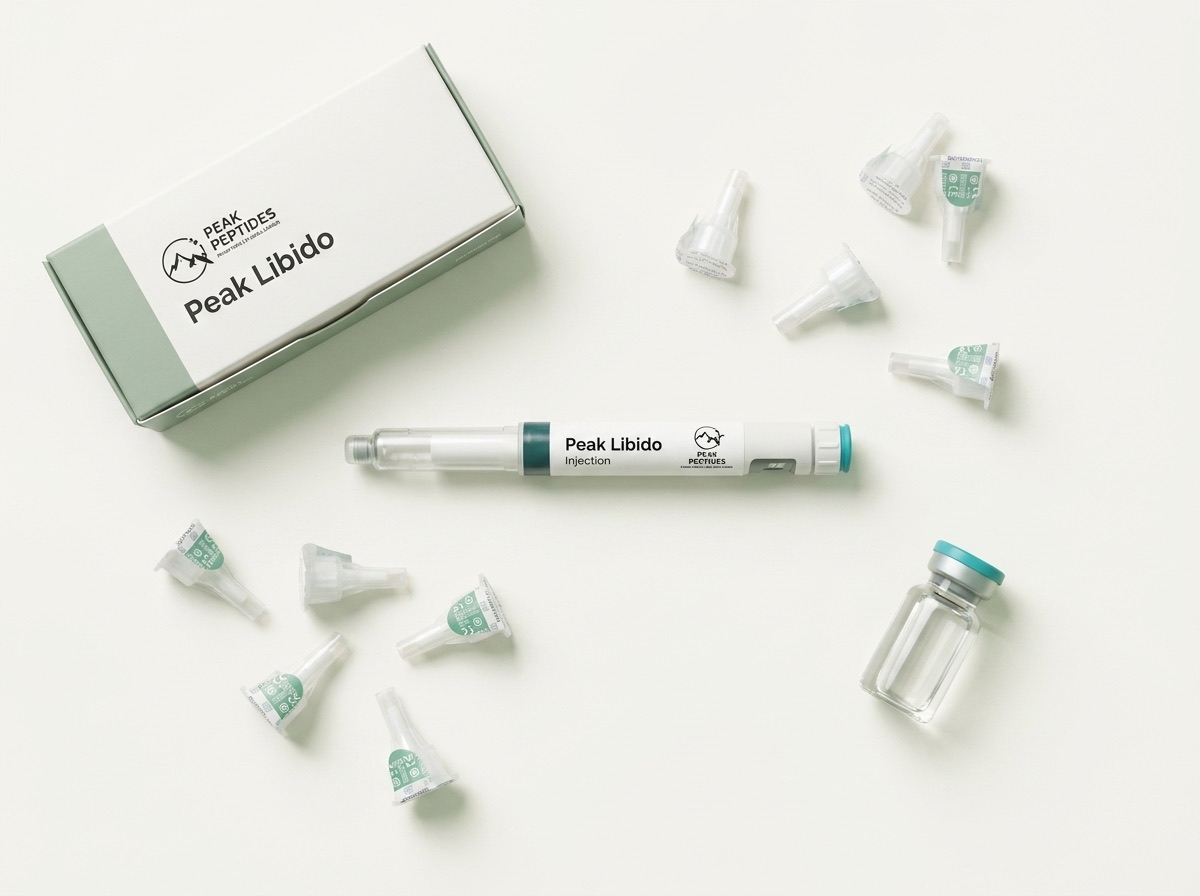
Peak Libido
$299 AUD
Details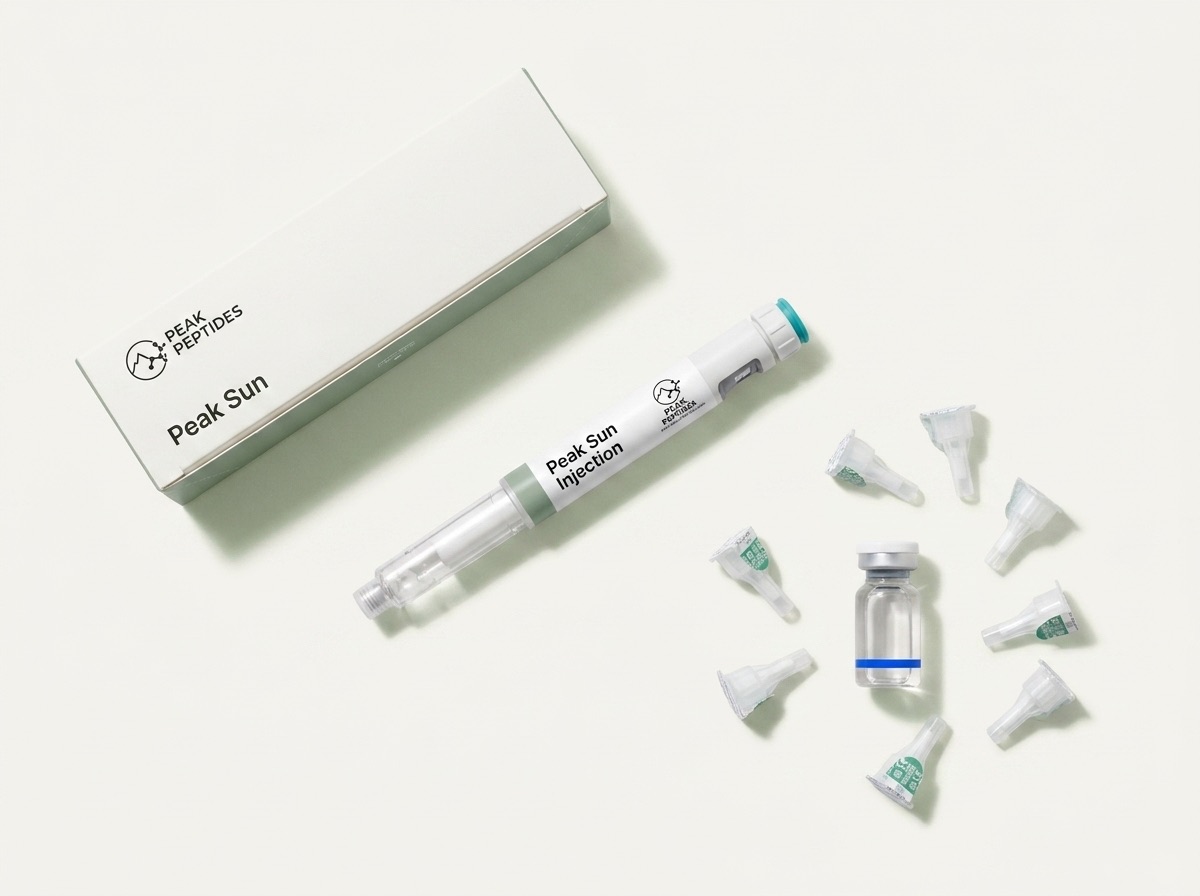
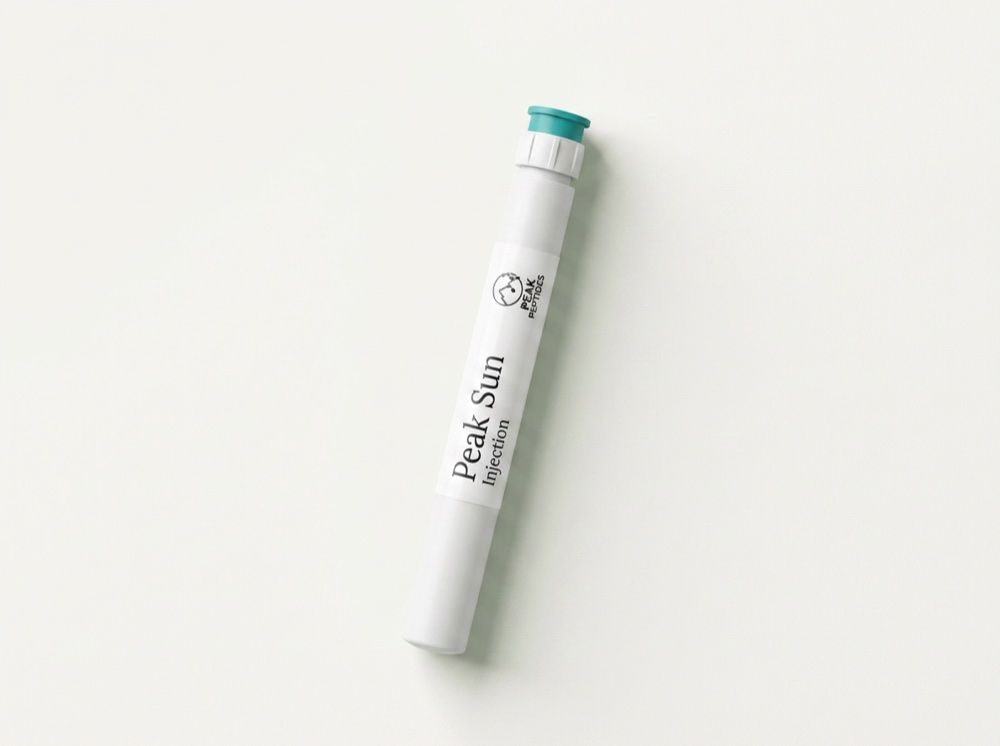
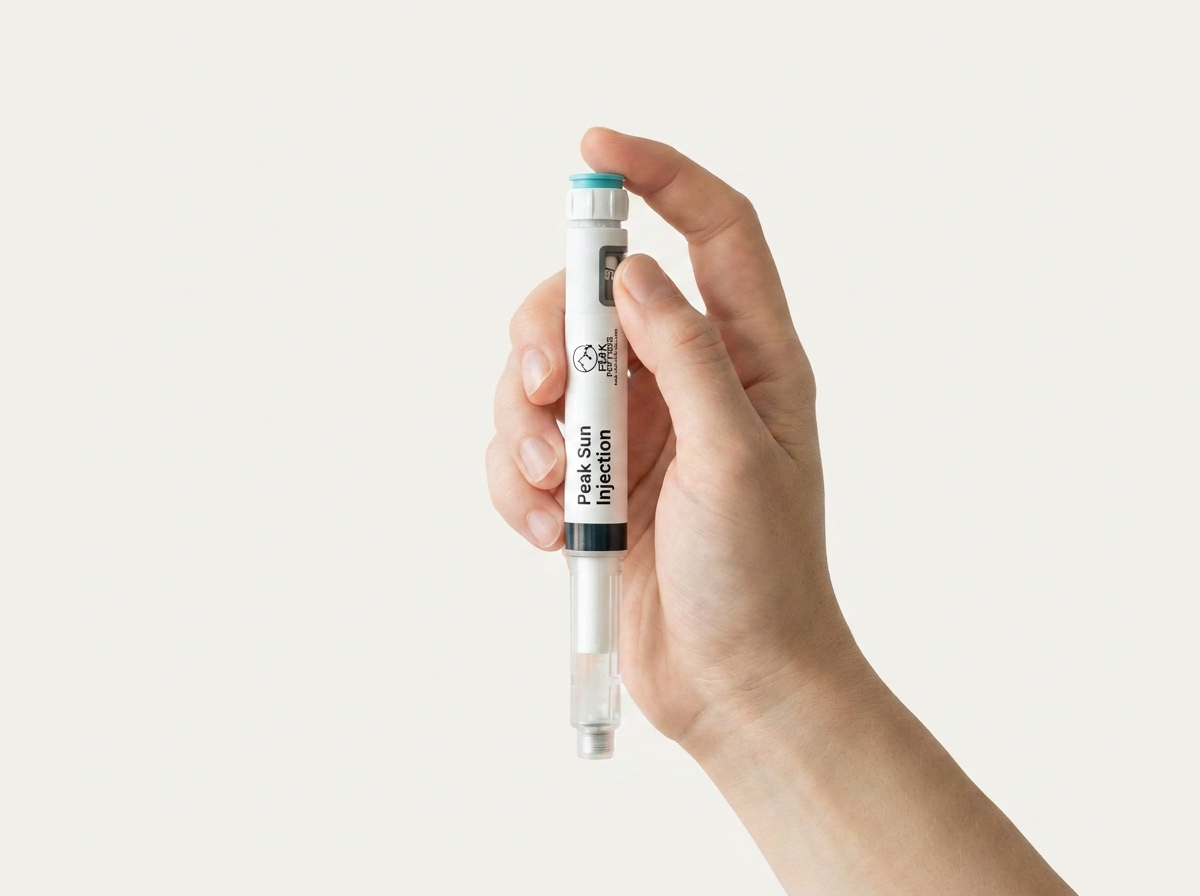
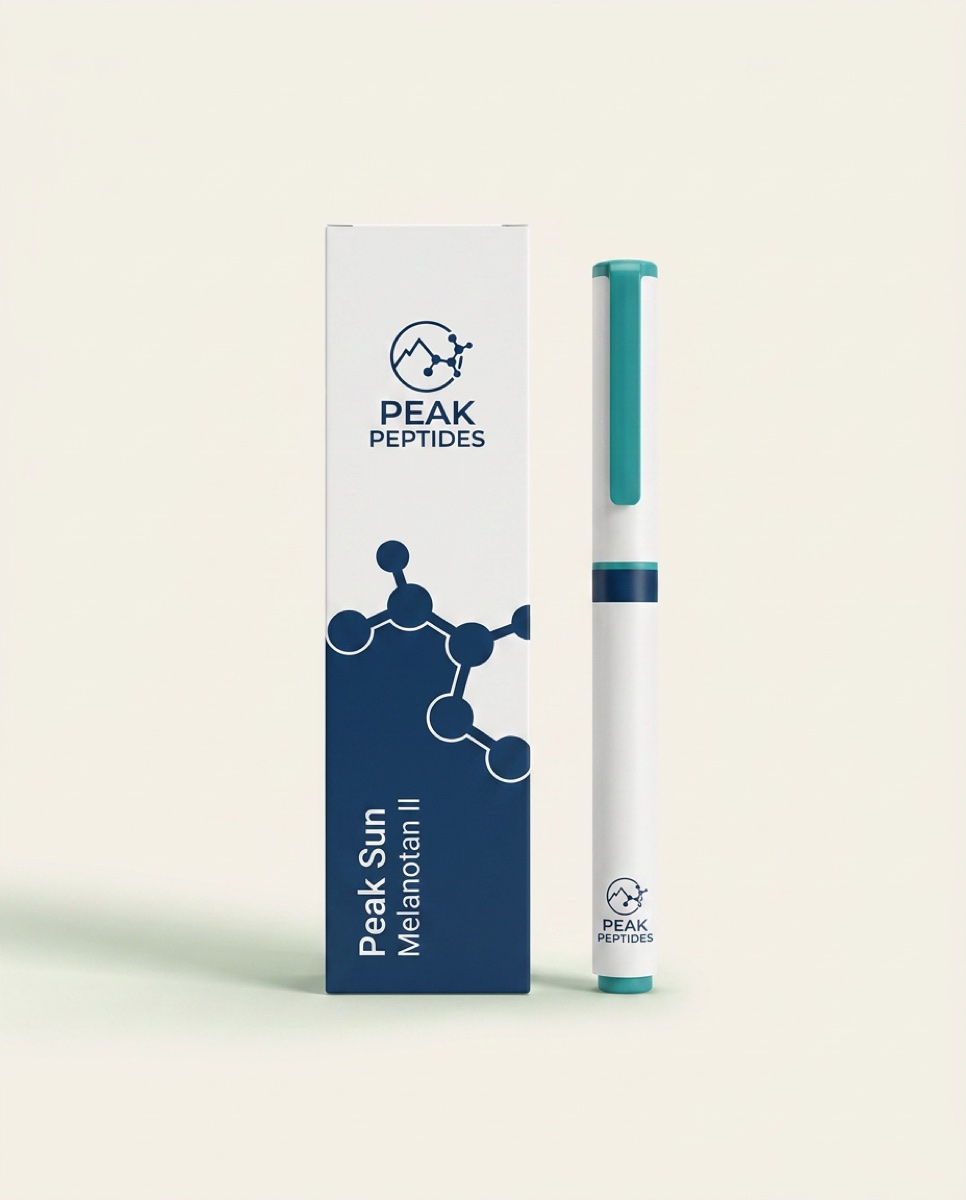
Melanotan II (α-MSH Analogue)
More melanin. Less UV. The biology of tanning — rerouted.
30-day full guarantee. Notice a difference or it's free — no return required.
Mechanism
Step 01
MC1R Agonism
Melanotan II is a cyclic analogue of alpha-melanocyte stimulating hormone (α-MSH) — a peptide naturally produced in the pituitary that signals skin melanocytes to produce melanin. MT-II binds melanocortin 1 receptors (MC1R) on melanocytes with higher potency and longer duration than natural α-MSH, triggering melanogenesis — the production of eumelanin, the dark brown pigment responsible for UV protection. The result is an elevated baseline melanin level that responds faster and more deeply to UV exposure.
Step 02
Eumelanin vs Pheomelanin
The skin produces two types of melanin: eumelanin (dark brown — protective, UV-absorbing) and pheomelanin (reddish-yellow — less protective, implicated in UV-induced DNA damage). Fair-skinned individuals produce more pheomelanin relative to eumelanin, which is why they burn instead of tan. MT-II specifically upregulates eumelanin production — shifting the melanin ratio toward the protective type. This is the mechanism by which individuals who normally burn begin to achieve an actual tan.
Step 03
Reduced UV Requirement
A melanocyte primed by MT-II produces more melanin per unit of UV exposure. The Dorr Phase I trial showed 2.5× the melanin production with the same UV dose versus placebo — meaning users achieve equivalent colour with significantly less sun exposure, or deeper colour with the same exposure. For Australians in a high-UV environment, this changes the risk calculus: the tan that required 3 hours of pool time now requires 1 hour, with the same UV protection once the melanin is produced.
The Evidence
These findings describe peer-reviewed research on Melanotan II (α-MSH Analogue) — the active compound in Peak Sun. Claims are about the compound, not our formulation.
Dorr et al. · Archives of Dermatology 1994 · University of Arizona Phase I Trial
"Subcutaneous Melanotan-II at 0.025 mg/kg produced significant increases in melanin density across all skin phototypes studied. UV-induced melanin production was increased 2.5-fold versus placebo, with the effect sustained for several weeks following cessation. Subjects achieved pigmentation equivalent to weeks of natural UV exposure within days of combined MT-II and minimal UV exposure."
The Arizona trial was the first human Phase I study of Melanotan II — conducted by the team that originally synthesised the compound. The research was motivated by the hypothesis that a "tanning pill" could reduce UV exposure and melanoma risk in fair-skinned populations. The efficacy data was unambiguous; the compound's development for a pharmaceutical indication was deprioritised due to the availability of self-administration.
Hadley & Dorr · Peptides 2006 · Melanocortin Peptide Review
"MT-II activates all five melanocortin receptor subtypes (MC1R–MC5R), with MC1R driving the primary tanning effect. The compound's higher binding affinity and resistance to degradation versus native α-MSH produces a more sustained and potent melanogenic response. The cyclic structure that confers this stability also explains its additional MC3R/MC4R activity — which is why sexual arousal effects have been reported as a secondary finding in some subjects."
The MC4R activity of MT-II is why Bremelanotide (PT-141 — Peak Libido) was originally derived from Melanotan II. When subjects in the tanning studies reported spontaneous arousal, the compound was optimised for that specific receptor. MT-II retains both effects; PT-141 was engineered to retain only the MC4R effect.
The Product
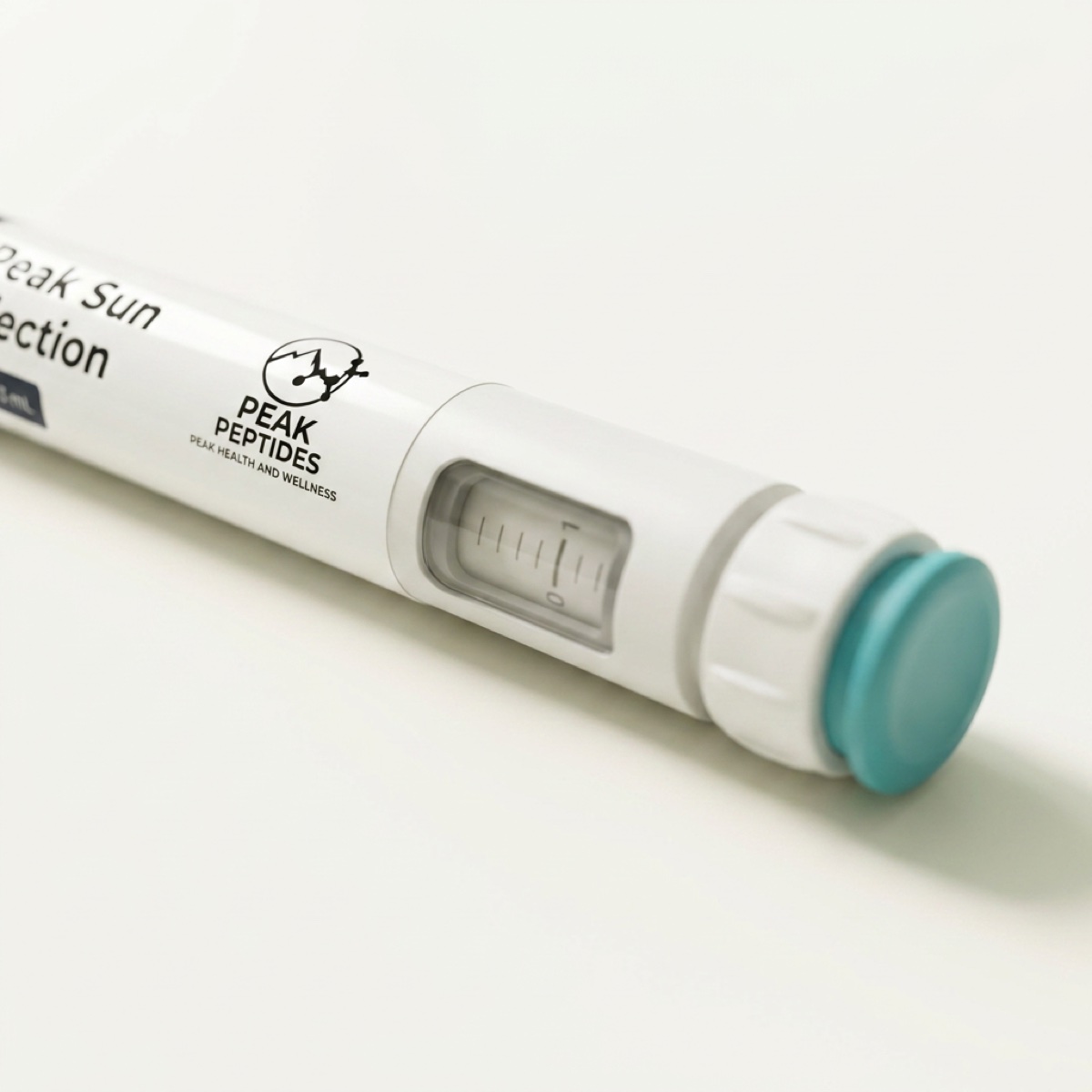
Your Peak Sun pen, a 30-day supply of single-use needle tips, and bacteriostatic water for reconstitution — one discreet, unbranded box.
Questions
Yes — but significantly less. MT-II primes your melanocytes to produce more melanin per UV photon. You still need some UV to activate the tanning response — but the amount required is a fraction of what you'd normally need. Most users achieve their target pigmentation with 10–20 minutes of natural sunlight per day during the loading phase, where previously they would have needed hours.
The University of Arizona Phase I trial specifically included fair-skinned participants (Fitzpatrick types I and II) — individuals who normally burn without tanning. The results showed successful melanogenesis in these skin types, shifting their pigmentation response. Eumelanin (the type MT-II produces) provides natural UV protection — so the tanning response is also a protective response. Fair-skinned users should start at the lowest dose and introduce UV gradually.
Yes — this is documented in the original Arizona trials. Melanotan II activates five melanocortin receptors, including MC4R, which is the arousal pathway. This is how PT-141 (Bremelanotide — Peak Libido) was discovered: researchers noticed spontaneous arousal in tanning study subjects and isolated the MC4R activity. MT-II retains this effect at standard doses. PT-141 was specifically engineered to isolate the MC4R effect without the tanning effect. This is neither a side effect nor a marketing claim — it's a documented secondary mechanism of the compound.
The most commonly reported side effect is nausea, particularly in the first 1–2 weeks at loading dose. This is the most consistent finding across the published research and user experience — it is dose-dependent and typically resolves without intervention as the body adapts. Taking the dose before sleep reduces the subjective impact significantly. Facial flushing is also common. Darkening of existing moles or freckles can occur — monitor these and consult a dermatologist if any change appears irregular.
30-day full refund, no return required. The tanning effect is typically visible within 2–3 weeks of loading + minimal UV — you will either notice it or you won't. If you complete the loading phase with appropriate UV exposure and notice no difference in pigmentation within 30 days, we return your $299.
Ships as lyophilised powder in a sterile vial. Reconstitute with bacteriostatic water using a fresh syringe and needle. Administer via subcutaneous injection — the lower abdomen or flank is the most common site. Rotate injection sites session to session. Ships stable at ambient temperature; refrigerate on arrival and use reconstituted solution within 21–28 days.
Standard workplace and roadside drug screens test for recreational substances and common medications — peptides will not appear on these screens. If you compete in a WADA-sanctioned sport, verify the current prohibited list at wada-ama.org before use, as regulations update annually. We recommend confirming with your sport's governing body before any sanctioned competition.